 BXL
BXL
Cattle Pregnancy Testing: Why Ultrasound is Transforming Modern Cattle Reproduction Management
Efficient reproductive management is one of the most important factors affecting profitability in beef and dairy cattle operations. Accurate and timely cattle pregnancy testing allows producers to make better breeding decisions, reduce open days, improve calving intervals, and maximize herd productivity.
Today, veterinary ultrasound technology has become the preferred solution for cattle pregnancy diagnosis. Compared with traditional palpation methods, ultrasound provides earlier and more accurate pregnancy detection while offering valuable reproductive information that helps farmers optimize herd performance.
In this article, we explore the advantages of ultrasound-based cattle pregnancy testing and why portable veterinary ultrasound scanners are increasingly used by veterinarians, ranchers, and livestock producers worldwide.
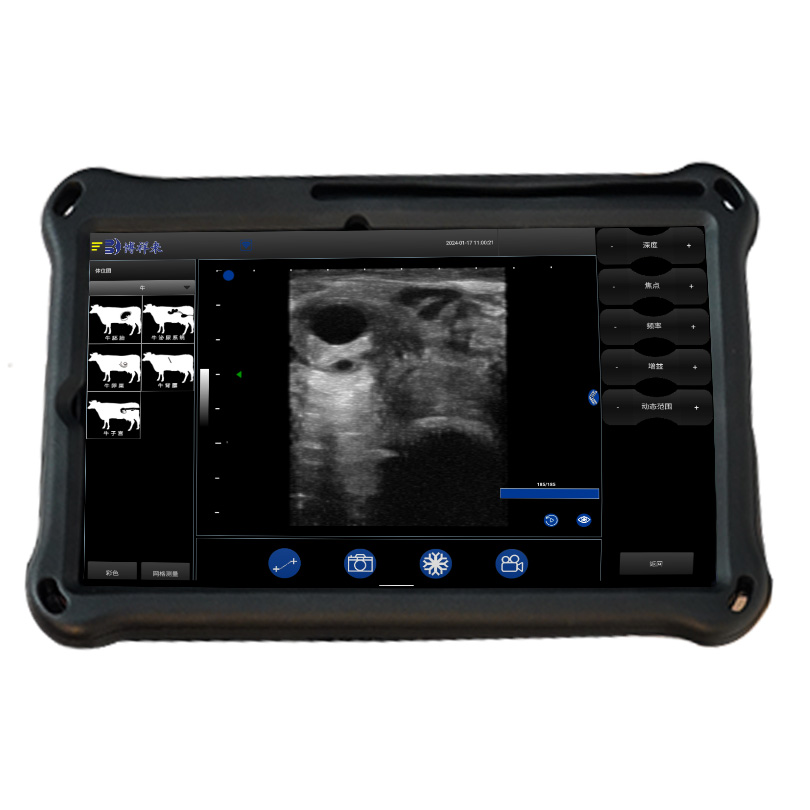
What Is Cattle Pregnancy Testing?
Cattle pregnancy testing is the process of determining whether a cow or heifer has successfully conceived after breeding or artificial insemination (AI).
Early pregnancy diagnosis helps producers:
Identify pregnant and non-pregnant animals
Improve breeding efficiency
Reduce feeding costs for open cows
Shorten calving intervals
Increase overall herd profitability
Optimize reproductive management programs
Several methods are commonly used for pregnancy diagnosis, including rectal palpation, blood testing, and ultrasound examination. Among these methods, bovine ultrasound pregnancy testing offers the highest level of reproductive insight.
Why Use Ultrasound for Cattle Pregnancy Testing?
1. Early Pregnancy Detection
One of the biggest advantages of ultrasound pregnancy testing is the ability to detect pregnancy earlier than traditional methods.
Using a high-quality veterinary ultrasound scanner, experienced operators can identify pregnancy as early as:
25–30 days after breeding
28–35 days after artificial insemination
Early diagnosis allows producers to quickly identify open cows and return them to breeding programs, improving reproductive efficiency.
2. Higher Diagnostic Accuracy
Modern veterinary ultrasound equipment provides real-time imaging of the reproductive tract, enabling accurate visualization of:
Embryonic vesicles
Fetal heartbeat
Fetal development
Uterine structures
This significantly improves diagnostic confidence and reduces the risk of false pregnancy diagnoses.
3. Fetal Viability Assessment
Unlike manual palpation, ultrasound enables veterinarians to evaluate fetal viability by observing:
Heartbeat activity
Fetal movement
Embryonic development
This information helps identify reproductive issues early and supports better herd health management.
4. Fetal Age Estimation
Ultrasound imaging allows accurate estimation of fetal age through measurement of fetal structures.
Benefits include:
Improved calving predictions
Better nutritional planning
More effective herd management
Enhanced breeding records
5. Twin Pregnancy Detection
Twin pregnancies can increase management challenges and calving risks.
Veterinary ultrasound allows early identification of twin pregnancies, helping producers implement appropriate monitoring and management strategies.
Benefits of Portable Veterinary Ultrasound for Cattle Reproduction
Modern livestock operations increasingly rely on portable veterinary ultrasound machines because they offer flexibility and convenience in field conditions.
Key advantages include:
Rugged Field Performance
Portable cattle ultrasound scanners are designed for:
Ranch environments
Dairy farms
Feedlots
Mobile veterinary practice
Durable construction ensures reliable performance under demanding conditions.
Real-Time Imaging
Advanced imaging technology provides:
High-resolution reproductive images
Clear fetal visualization
Fast diagnostic results
Improved examination efficiency
Wireless and Portable Design
Many modern veterinary ultrasound systems feature:
Lightweight design
Wireless probes
Long battery life
Smartphone or tablet connectivity
These features make pregnancy diagnosis faster and more convenient in large cattle herds.
Applications Beyond Pregnancy Testing
While cattle pregnancy testing is a primary application, veterinary ultrasound systems can also be used for:
Reproductive Examination
Ovarian assessment
Follicle monitoring
Corpus luteum evaluation
Estrus synchronization programs
Artificial Insemination Programs
Ultrasound helps improve AI success rates by monitoring reproductive status before breeding.
Herd Fertility Management
Regular reproductive examinations allow producers to:
Identify infertility issues
Monitor breeding performance
Improve conception rates
Enhance herd genetics
General Livestock Health Assessment
Veterinary ultrasound can also assist in evaluating:
Abdominal organs
Musculoskeletal conditions
Soft tissue injuries
Internal health problems