 BXL
Early Embryo Detection in Cows: How Veterinary Ultrasound Improves Early Pregnancy Diagnosis
Early pregnancy detection is an important part of modern cattle reproduction management. For dairy farms, beef cattle operations, breeding centers, and artificial insemination (AI) service providers, identifying pregnant cows at an early stage helps improve reproductive efficiency and optimize herd management.
Early embryo detection in cows is increasingly performed using veterinary ultrasound technology. Compared with traditional pregnancy diagnosis methods, transrectal ultrasound allows veterinarians to examine the reproductive tract directly and observe pregnancy-related structures in real time.
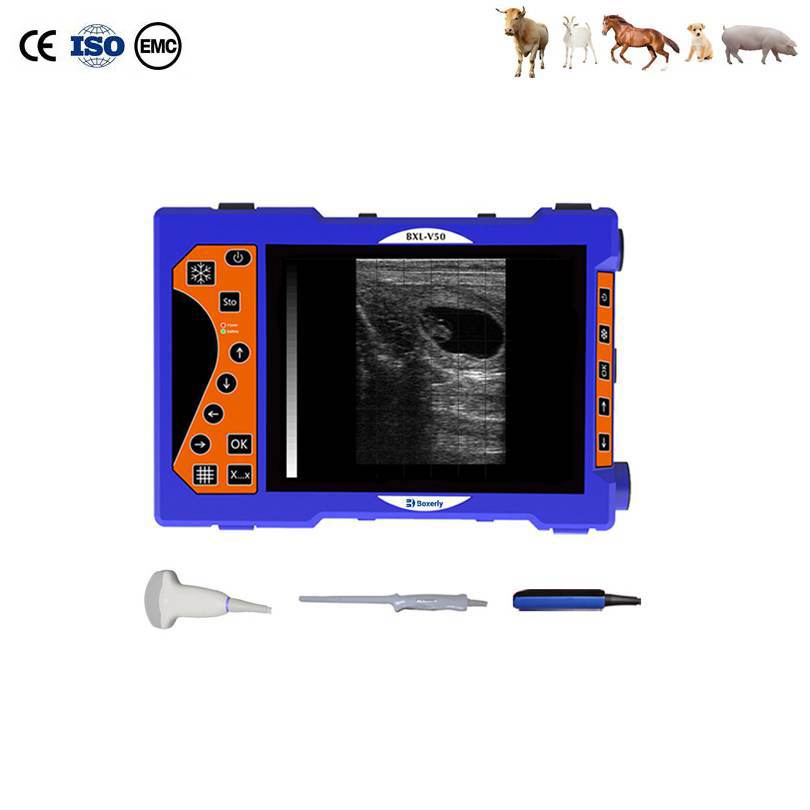
With the development of high-resolution veterinary ultrasound scanners, veterinarians can evaluate early pregnancy changes, examine the uterus and ovaries, and monitor embryonic development more effectively.
BOXERLY, a professional veterinary ultrasound manufacturer from China, provides a range of cattle ultrasound machines designed for pregnancy diagnosis, reproductive examination, and livestock management.
1. What Is Early Embryo Detection in Cows?
Early embryo detection in cows refers to the examination of early pregnancy and embryonic development following natural mating or artificial insemination.
After fertilization, the developing embryo travels through the reproductive tract before reaching the uterus. As pregnancy progresses, changes occur in the uterus and other reproductive structures.
Veterinarians use transrectal ultrasound to examine these changes and identify signs associated with early pregnancy.
During an early pregnancy ultrasound examination, the following structures may be evaluated:
Uterine changes associated with early pregnancy.
Fluid accumulation within the uterine lumen.
Early gestational structures.
The developing bovine embryo.
Embryonic heartbeat at an appropriate stage.
Corpus luteum (CL) and ovarian structures.
Ultrasound imaging provides valuable information for assessing reproductive status and making informed cattle breeding decisions.
It is important to distinguish between detecting early pregnancy-related changes and confirming a viable pregnancy. These are different diagnostic objectives and may require examinations at different stages.
2. How Early Can You Detect an Embryo in a Cow?
One of the most frequently asked questions by cattle farmers and veterinarians is: How many days after artificial insemination can you detect an embryo in a cow?
Transrectal ultrasound can help identify early pregnancy-related changes at approximately 21–25 days after artificial insemination when performed by an experienced operator using suitable equipment.
However, reliable identification of the embryo and assessment of pregnancy viability generally become easier as gestation progresses.
The following table provides a general reference:
Days After AI
Ultrasound Examination
18–20 days
Early reproductive changes may be evaluated, but pregnancy confirmation is unreliable
21–25 days
Early pregnancy assessment; pregnancy-related fluid may be identified
26–30 days
Gestational structures and the embryo may become more clearly visible
30–35 days
Embryonic identification and heartbeat assessment become more practical
40–45 days
Embryonic development and viability can be evaluated more easily
50–60 days
Further pregnancy development and reproductive assessment
The actual detection time depends on several factors:
Ultrasound machine image resolution.
Rectal probe frequency and performance.
Veterinarian experience and scanning technique.
Individual cow reproductive conditions.
Embryonic development and pregnancy stage.
For examinations performed at very early stages, repeat scanning is recommended when findings are uncertain.
3. Why Is Early Embryo Detection Important for Cattle Farms?
Early pregnancy diagnosis is not simply about identifying pregnant cows. It is also an important management tool for improving reproductive performance across an entire herd.
Shorter Reproductive Management Intervals
When pregnancy status is assessed promptly, farms can identify cows requiring further reproductive examination and organize appropriate follow-up procedures.
Better Artificial Insemination Management
For farms using artificial insemination, early pregnancy ultrasound provides useful information for evaluating breeding results and planning subsequent insemination schedules.
Improved Herd Productivity
Identifying non-pregnant cows in a timely manner can help farms reduce unnecessary waiting periods and manage breeding opportunities more efficiently.
Better Reproductive Health Monitoring
Ultrasound allows veterinarians to examine the uterus and ovaries, providing additional information about reproductive structures beyond pregnancy status alone.