 BXL(ビーエル)
Is it true that swill-fed pigs have thicker backfat? How do feeding methods change fat deposition?
There has been much discussion about the thickness of backfat in swill-fed pigs. Some believe that pigs fed with swill have a thicker fat layer and more flavorful meat, while others worry about the safety of this feeding method. 今日, we’ll examine actual data and feeding principles to see what exactly causes fat deposition in swill-fed pigs and how feeding methods affect the pig’s body shape.
Swill-fed pigs do indeed have thicker backfat.
According to actual test data, swill-fed pigs do indeed have significantly thicker backfat than pigs fed on regular feed. 例えば, a study in Urumqi compared the indicators of the two types of pork and found that swill-fed pigs had thicker backfat, higher intramuscular fat content, and better meat color and drip loss. Simply put, swill-fed pig meat looks redder, loses less moisture after thawing, and may have a more tender texture. This is mainly because swill contains a large amount of oil and high-calorie components, such as animal fat and starchy food residue from restaurant leftovers. These components can directly promote fat synthesis in pigs.
Excess calories are key to fat accumulation. If the swill pigs consume is too high in calories, the excess nutrients will be converted into fat and stored under the skin, especially on the back. Backfat thickness is actually linked to a pig’s “economic value”—a thin fat layer may lead to an excessively high lean meat percentage, which negatively impacts the tenderness and flavor of the meat; however, a thick fat layer reduces the meat yield after slaughter. Studies have found a positive correlation between backfat thickness and intramuscular fat content, meaning that pigs with thick backfat often have more fat interspersed between their muscles, making the meat more juicy during cooking. しかし, the composition of swill is very unstable; sometimes the oil ingested by pigs may have oxidized and spoiled, which can negatively affect their health.
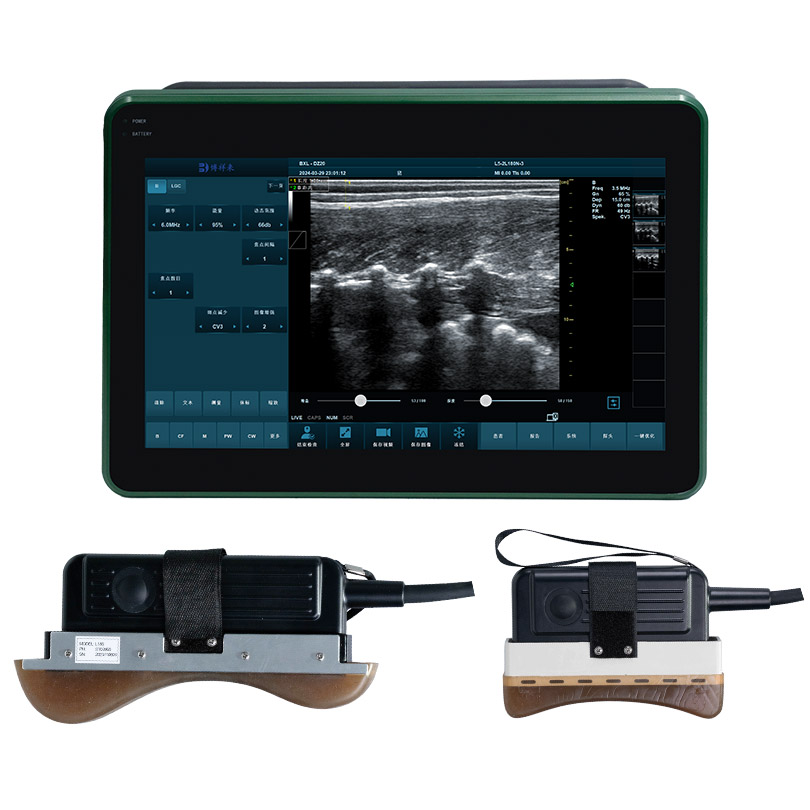
Feeding methods can regulate fat distribution. Adjusting feed composition and feeding amount is the most direct way to control backfat thickness in pigs. 例えば, replacing some swill with fermented mulberry leaf feed significantly reduces backfat thickness in pigs, while increasing eye muscle area (reflecting muscle mass). If the pig herd is found to be overweight, “feed restriction” can be implemented by reducing feeding frequency or lowering the fat content in the feed. Some overseas pig farms also dynamically adjust feed amounts based on backfat data; for example, reducing feed when a sow’s backfat exceeds 18 mm using ultrasound. This maintains reproductive performance without causing excessive obesity.
Safety Risks Cannot Be Ignored
While swill-fed pigs have advantages in certain meat quality indicators, long-term swill feeding poses risks. Recycled swill from restaurants may contain plastic bags, toothpicks, and other debris, and may even contain spoiled fat and bacteria. More problematic is the difficulty in standardizing this feeding method—the composition of swill fed today may be completely different from tomorrow’s, leading to fluctuating fat deposition in pigs. Some farmers add high-sugar foods to pigs’ diets to promote rapid fattening. While this can quickly thicken the backfat, it can disrupt the pigs’ metabolism.
In general, it’s true that pigs fed swill have thicker backfat, but this feeding method is a double-edged sword. To balance meat quality and safety, it may be necessary to mix some swill with standardized feed, and regularly monitor the pigs’ backfat thickness, avoiding over-reliance on a single feeding method.