 BXL
BXL
Embryo Detection Cattle Ultrasound: Improve Reproductive Performance with Early and Accurate Pregnancy Diagnosis
Embryo Detection Cattle Ultrasound – A Smarter Way to Manage Herd Fertility
Modern cattle farming depends on reproductive efficiency. Whether you operate a dairy farm, beef ranch, embryo transfer center, or artificial insemination (AI) business, embryo detection cattle ultrasound has become one of the most valuable technologies for improving pregnancy rates, reducing open days, and increasing herd profitability.
Compared with traditional rectal palpation, veterinary ultrasound provides a clear, real-time image of the reproductive tract, allowing veterinarians and breeders to detect embryos earlier, evaluate fetal viability, and monitor pregnancy development with greater confidence.
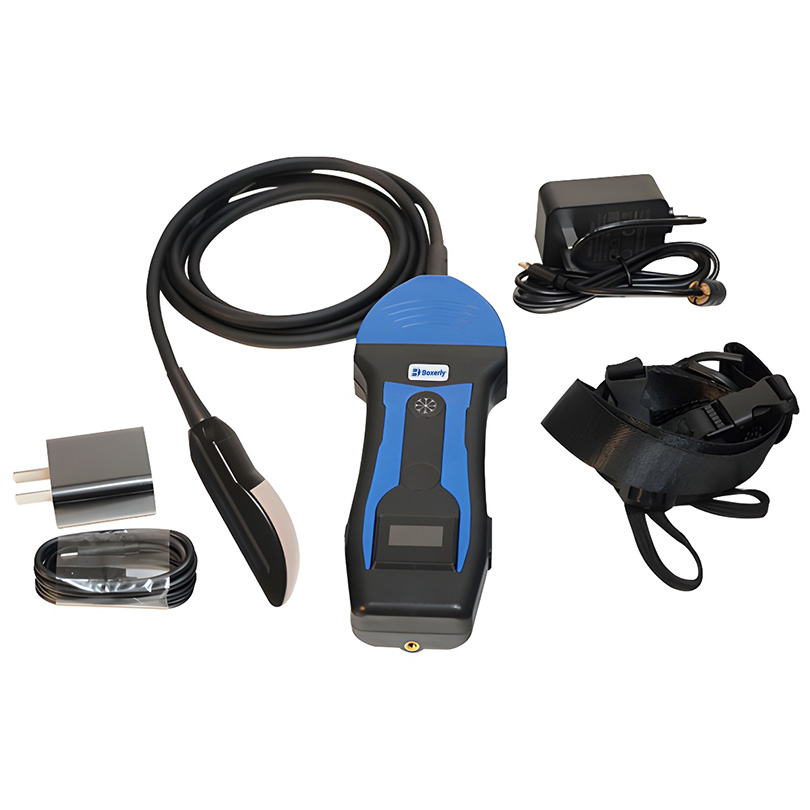
As global livestock producers continue to invest in precision farming, portable veterinary ultrasound scanners are becoming an essential tool for reproductive management.
What Is Embryo Detection in Cattle?
Embryo detection refers to using veterinary ultrasound to identify and evaluate an embryo inside the uterus during early pregnancy.
High-resolution bovine ultrasound enables professionals to:
Confirm pregnancy at an early stage
Visualize the embryo
Detect embryonic heartbeat
Assess fetal viability
Determine gestational age
Identify twin pregnancies
Detect embryonic loss
Monitor embryo development after embryo transfer (ET)
Early embryo detection helps producers make faster management decisions while minimizing reproductive losses.
Why Use Ultrasound for Embryo Detection?
Unlike manual palpation, ultrasound offers a non-invasive and highly informative examination.
Key Benefits
Diagnóstico precoz del embarazo
High diagnostic accuracy
Real-time imaging
Safe for cows and embryos
Rapid examination
Reduced breeding intervals
Better reproductive planning
Increased calf production
Veterinary ultrasound is widely used by:
Dairy farms
Beef cattle operations
Embryo transfer companies
AI technicians
Veterinary clinics
University research centers
Livestock breeding stations
When Can an Embryo Be Detected?
The timing depends on equipment quality, probe frequency, and operator experience.
Typical reproductive milestones include:
Pregnancy Stage Ultrasound Findings
20–24 Days Small embryonic vesicle may become visible
25–30 Days Embryo becomes clearly identifiable
Around 28–30 Days Heartbeat often detectable
35–45 Days Rapid fetal development
45–60 Days Limbs and body structures become increasingly visible
Earlier and clearer detection is possible with high-definition veterinary ultrasound systems and experienced operators.
Evaluate Embryo Viability with Ultrasound
Simply confirming pregnancy is not enough.
Modern cattle producers also need to determine whether the embryo is healthy.
Ultrasound helps evaluate:
Embryonic heartbeat
Fetal movement
Uterine fluid
Placental attachment
Embryo size
Development consistency
Signs of embryonic mortality
Detecting non-viable pregnancies early allows timely rebreeding, improving overall reproductive efficiency.
Essential Features of a Professional Cattle Ultrasound Scanner
A high-quality bovine ultrasound machine should include:
Imágenes de alta resolución
Clear reproductive images improve confidence during early embryo detection.
Specialized Rectal Probe
A linear rectal probe delivers excellent visualization of the bovine reproductive tract.
Portable Design
Lightweight equipment allows veterinarians to scan cattle efficiently in barns, breeding centers, and pasture environments.
Batería de larga duración
Extended operating time supports full-day herd examinations.
Imagen & Video Storage
Save examination records for breeding analysis, client reports, and long-term reproductive management.
Waterproof Construction
Designed for demanding farm environments.
Applications Beyond Embryo Detection
Today’s veterinary ultrasound systems perform far more than pregnancy diagnosis.
Common applications include:
Early cattle pregnancy diagnosis
Follicle monitoring
Corpus luteum evaluation
Ovarian examination
Uterine health assessment
Twin pregnancy detection
Embryo transfer programs
Artificial insemination management
Reproductive disease diagnosis
Postpartum reproductive evaluation
One portable ultrasound scanner can support the entire reproductive cycle.
Ultrasound in Embryo Transfer (ET) Programs
Embryo transfer programs require precise reproductive monitoring.
Ultrasound plays a critical role by helping veterinarians:
Select suitable recipient cows
Monitor ovarian activity
Confirm corpus luteum development
Verify successful embryo implantation
Detect pregnancy earlier
Monitor fetal development after transfer
Accurate embryo detection significantly improves embryo transfer success rates and reduces economic losses.